TS Threshold Sports Coaching Swim · Bike · Run
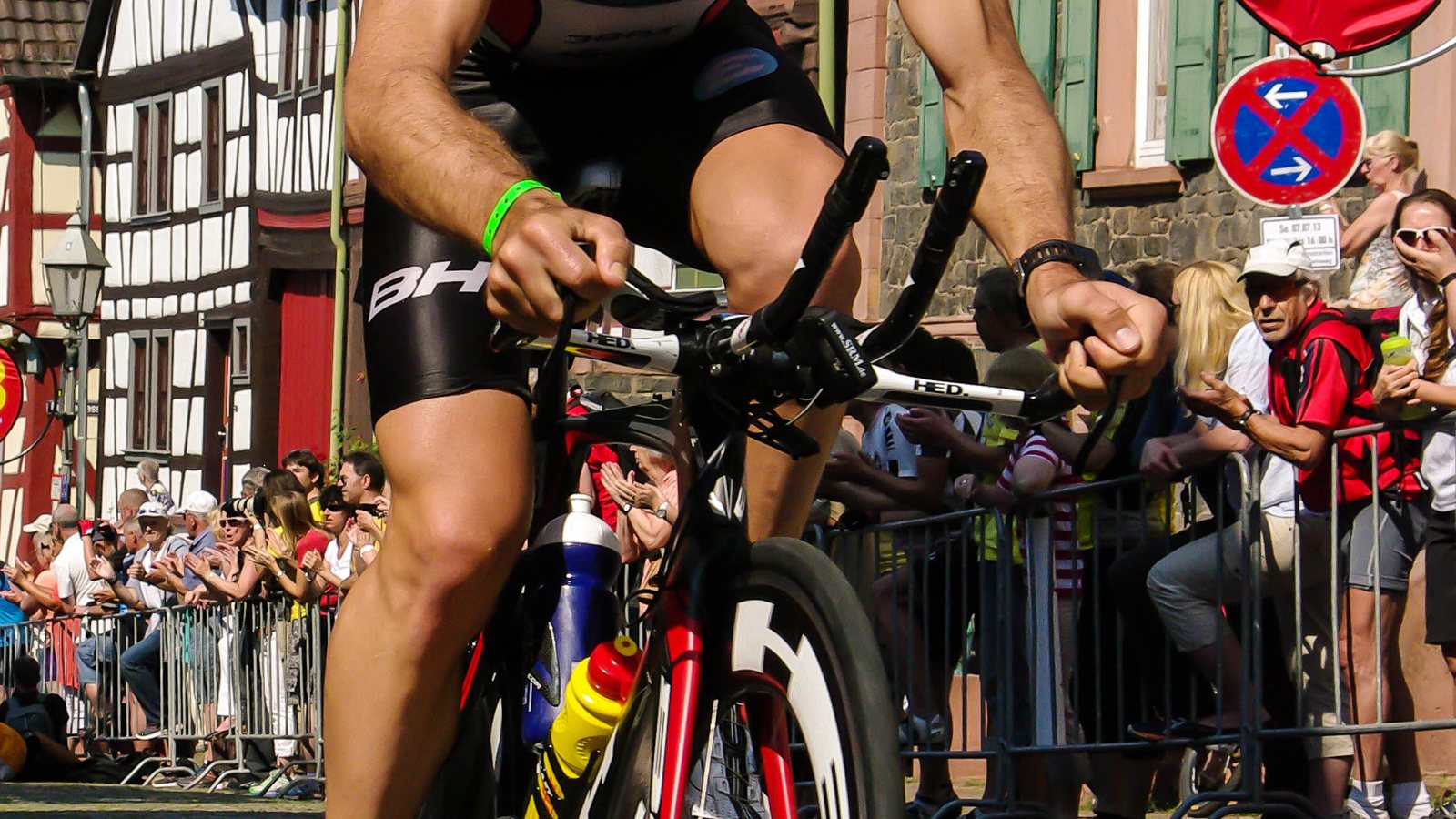
Triathlete riding a time-trial bike through a town

Tested, not templated

Triathlon Coaching Built Around One Athlete

A downloaded plan does not know that you swim badly on your left side, that your working week collapses on Thursdays, or that your run falls apart at thirty kilometres because your bike position is costing you your hamstrings. We start with testing — a swim video, a bike fit, a field threshold test in each discipline — build a plan around what that shows, and adjust it every week against what you actually completed. Athletes range from first sprint distance to long course qualifiers, and the method is the same for both.

About us

Coaches Who Were Mediocre Athletes and Good Analysts

Neither of us was ever going to be professional, which turns out to be useful. Everything we know came from working out why our own training was not producing results, and the answer was almost never that we needed to train harder. It was usually a technical fault nobody had pointed out, a training distribution that spent every session at the same moderate intensity, or a race plan that fell apart in the first fifteen minutes. Those are the three things we look for first in anybody who joins.

Coaching starts with measurement rather than a questionnaire. Swim video from four angles above and below the surface, a bike fit with pressure mapping and video, a field test in each discipline to set training zones, a review of the last year of training files if there is one, and an honest conversation about how many hours actually exist in the athlete's week rather than how many they wish existed. The plan is written to that number and reviewed every seven days.

We keep the roster small — around twenty-five athletes between two coaches — because the value is in the weekly adjustment rather than in the original document. Sessions are commented on individually, questions are answered the same day, and plans change when work, illness, injury or family require it rather than being reissued unchanged with a note to try harder. Athletes stay an average of four seasons, which is the number we watch most closely.

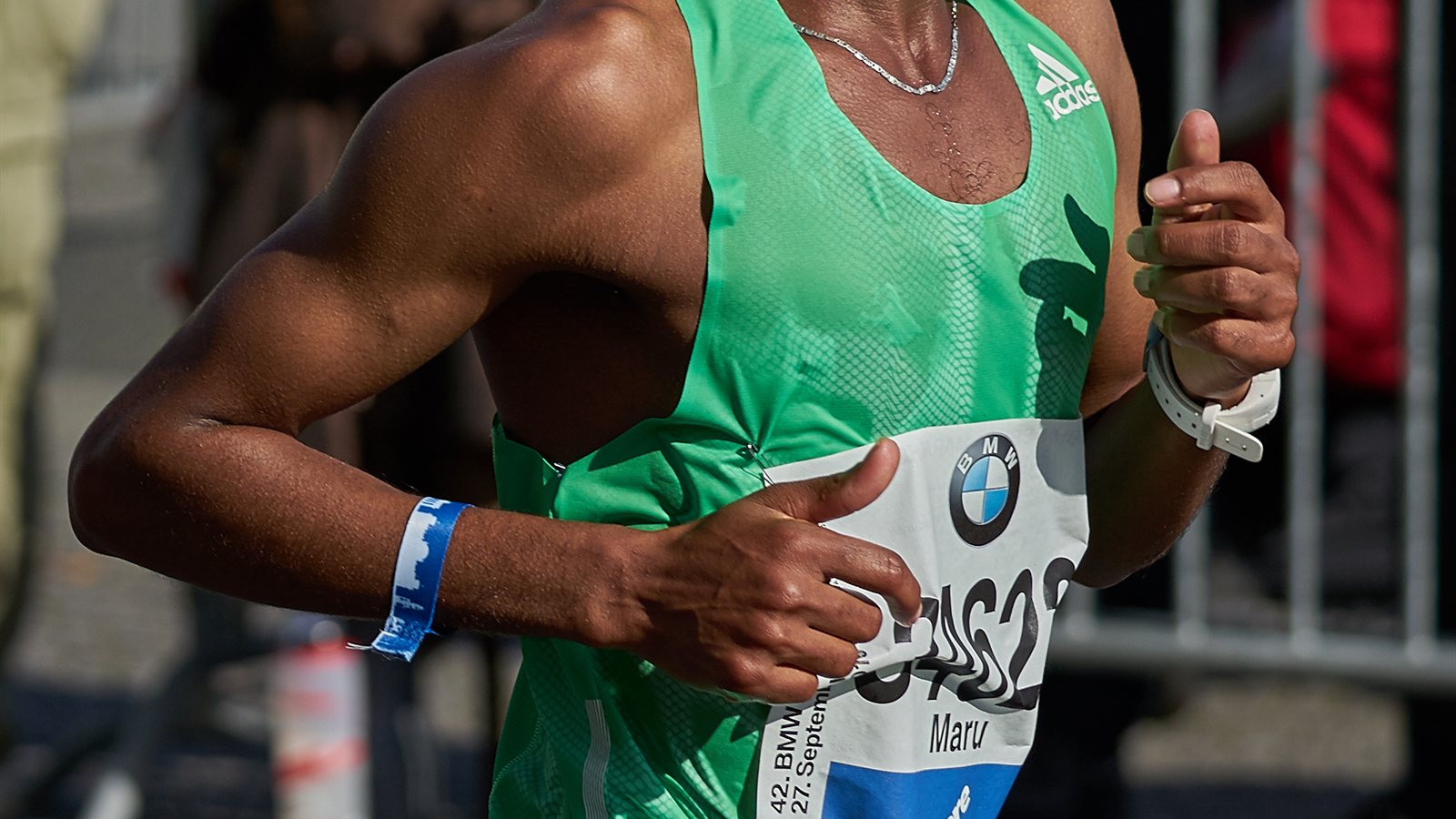
Field of runners during a city marathon
Cyclists riding in a group on a country road

Advantages

What Actually Makes People Faster

Six things that produce more improvement than adding hours ever does.

Technique Before Volume

Most age-group swimmers lose more time to a dropped elbow and a crossing hand than they could ever recover by swimming further, and most runners are held back by cadence and posture rather than by fitness. We film, analyse and correct before adding load, because volume applied to a poor pattern simply engrains it and eventually injures the athlete. Swim video is repeated every eight weeks so improvement is visible rather than assumed, and drills are prescribed for the specific fault rather than issued as a generic set.

Zones Set by Testing, Not by Age

Training zones calculated from a formula involving your age are worse than useless for a large minority of people. We set them from field tests in each discipline — swim threshold pace over a timed distance, bike threshold power, run threshold pace — repeated every six to eight weeks because they move as fitness changes. That single step usually reveals that an athlete has been riding their easy sessions too hard and their hard sessions too easy, which is the most common pattern we see in new athletes' data.

Plans Built for a Real Week

A plan that assumes ten clean hours will fail for someone who has seven unpredictable ones. We build around the week the athlete actually has, including the days that regularly collapse, with sessions ranked so that if only three happen they are the three that matter. Travel weeks, night shifts, small children and end-of-quarter workloads are planned for rather than apologised for afterwards. Consistency at seven honest hours beats heroics at eleven followed by a fortnight of nothing.

Weekly Adjustment

Every session is reviewed against what the athlete actually did and how it felt, and the following week is written afterwards rather than months in advance. Fatigue, illness, a bad night's sleep, a hard week at work or an unexpectedly good session all change what should come next. Athletes get written feedback on their key sessions, not a green tick, and they can ask a question at any point and get an answer the same day rather than at the next monthly call.

The Bike Position Is Part of the Coaching

A position that is fast in a wind tunnel and unsustainable for four hours costs more than it saves, and one that wrecks the hamstrings guarantees a poor run. Fits are done by the same people who write the plan, so the position is set for the distance being raced and revisited as flexibility and strength change through a season. We also check the run-off from the bike in training rather than discovering the problem in the second transition of a race.

Race Execution Rehearsed

Most bad races are decided in the first twenty minutes by starting too hard, and most of the rest by fuelling that was never practised at race intensity. We write a pacing and nutrition plan with numbers, rehearse it in training including the exact products at the exact intervals, and practise transitions until they are boring. The week itself is planned in detail: travel, sleep, meals, registration, recce, warm-up and a contingency for the things that always go wrong.

Services

How We Work With Athletes

Full coaching, plan-only support, testing, bike fitting, camps and beginner programmes.

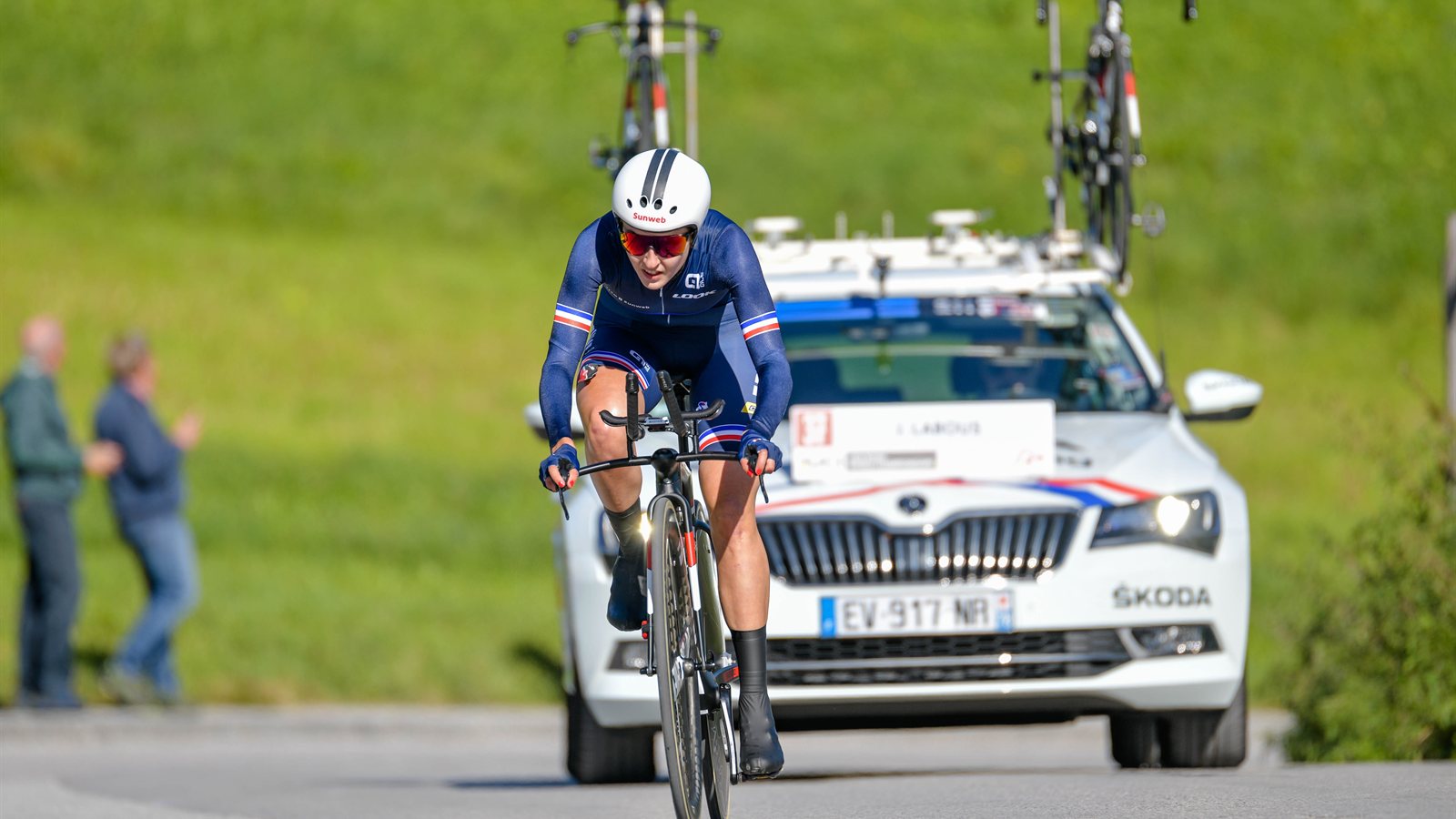
Time trial cyclist racing on an open road

Full One-to-One Coaching

A monthly arrangement including initial testing across all three disciplines, a plan written and rewritten weekly, individual feedback on key sessions, unlimited questions answered the same day, a monthly video call, race selection and pacing plans, and adjustment for illness, travel and work. Numbers are capped so that every athlete gets genuine attention. Most athletes join for a season and stay for several, and there is no minimum contract beyond a month's notice.

Plan-Only Support

For self-sufficient athletes: an individually written block of eight to sixteen weeks based on testing and a training history, delivered to your usual platform, with one review call in the middle and one at the end. Cheaper than full coaching and far more useful than a downloaded template, because the plan is written for your zones, your week and your race. Many athletes alternate — plan-only through winter, full coaching in the race season.

Testing and Analysis

Standalone sessions for athletes coached elsewhere: swim video analysis from four angles with a written report and drill programme, field threshold testing on bike and run with zones set and explained, running gait analysis on a treadmill with high-speed video, and a full review of a season's training files. Reports are written to be usable by the athlete's own coach, and we are happy to discuss the findings with them directly.

Bike Fitting

Road and time trial fitting with motion capture, pressure mapping on the saddle and the bars, cleat and stack adjustment, and a follow-up session after four weeks of riding the new position. Fits are sized to the distance being raced rather than to the most aggressive angle achievable, and we will say when a frame is genuinely the wrong size rather than adjusting around the problem. A written position sheet lets any bike be set up identically.

Camps and Group Blocks

Spring training camps of five to seven days with coached swim sessions, long rides on quiet roads, run technique work, video review in the evenings and food that supports the load, limited to twelve athletes. Winter weekend blocks focus on swimming and strength. Camps are open to athletes coached elsewhere, and the daily plan is adjusted individually rather than everybody riding the same distance at the same pace.

First Triathlon Programme

A structured sixteen-week programme for complete beginners covering open-water skills, bike handling and confidence, run-off-bike, equipment choices that do not require spending a fortune, rules and transitions, and a target sprint-distance race at the end. Delivered as a small group with individual adjustment, at a price that reflects the fact that most participants do not yet know whether they will love the sport.
Contacts

Consultations and Availability

Tell us your target race, your realistic weekly hours and what you think is holding you back. The first consultation is free and lasts about forty minutes, and it ends with an honest view of what is achievable in the time available — including when the answer is to choose a different race.

Testing, bike fitting, camps and the beginner programme can be booked without taking coaching.

Studio9 Place Bellecour, 69002 Lyon, France
Phone+33 4 72 41 56 83
HoursTesting and fitting Monday–Saturday 07:00–20:00